
Understanding Dental Implants for a Healthier Smile
- ennixcreative
- Mar 18
- 3 min read
A confident smile is a powerful asset, and maintaining oral health plays a crucial role in achieving it. When teeth are lost due to injury, decay, or other reasons, restoring them effectively is essential for both function and appearance. Among the various options available, dental implants have emerged as a leading choice for tooth replacement. This article will guide you through the essentials of dental restoration solutions, focusing on the benefits, procedures, and longevity of dental implants.
What Are Dental Restoration Solutions?
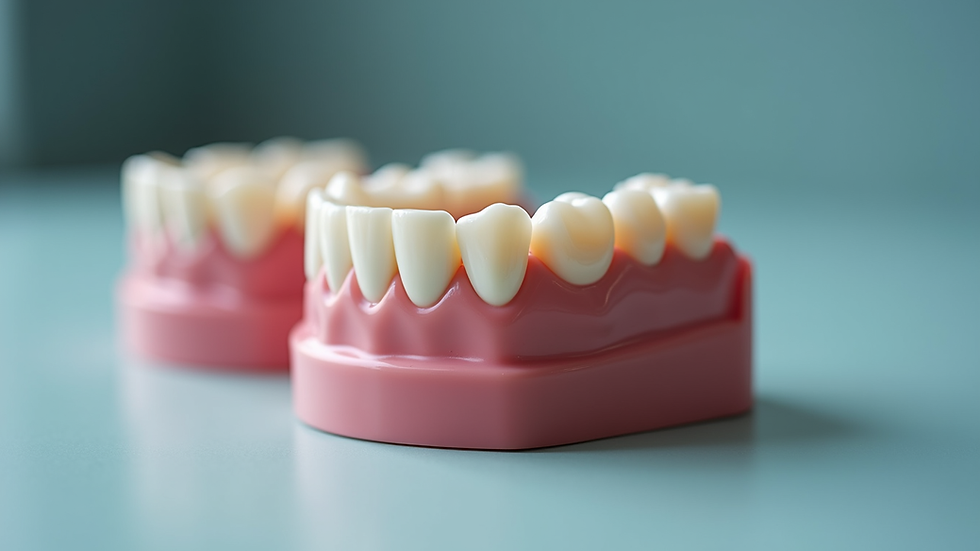
Dental restoration solutions refer to the various methods used to replace missing teeth or repair damaged ones. These solutions aim to restore the natural look, feel, and function of teeth. Common options include dentures, bridges, crowns, and implants. Each has its advantages and considerations depending on the patient's oral health, budget, and lifestyle.
Dentures: Removable appliances that replace multiple missing teeth.
Bridges: Fixed prosthetics that bridge the gap created by one or more missing teeth.
Crowns: Caps placed over damaged teeth to restore shape and strength.
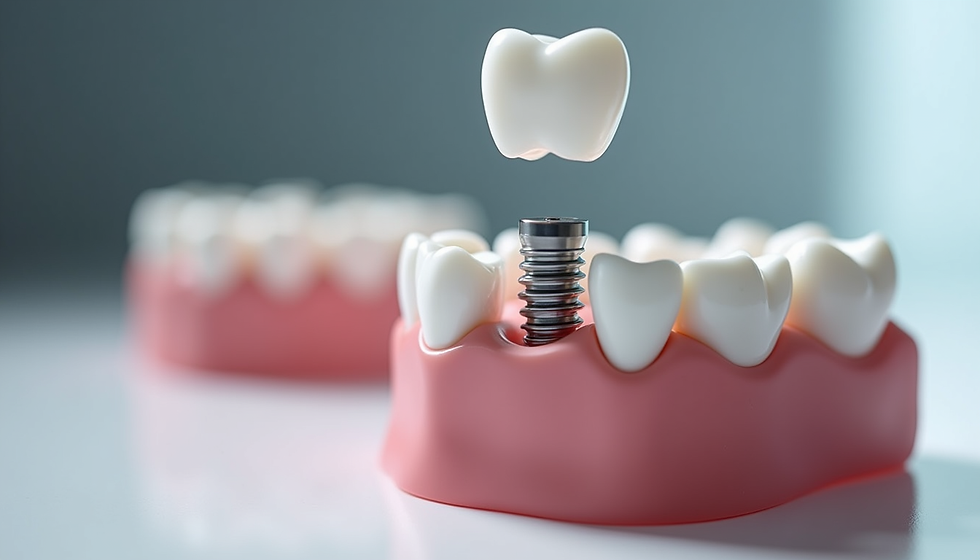
Implants: Titanium posts surgically placed into the jawbone to support replacement teeth.
Choosing the right dental restoration solution depends on factors such as bone density, gum health, and personal preferences. Consulting with a dental professional can help determine the best approach tailored to individual needs.

The Process of Getting Dental Implants
Dental implants involve a multi-step process that requires careful planning and precision. Here’s a breakdown of what to expect:
Initial Consultation
The first step is a thorough examination, including X-rays and possibly 3D imaging, to assess bone health and plan the implant placement. This stage helps identify any potential issues and ensures the patient is a good candidate.
Implant Placement Surgery
During this minor surgical procedure, a titanium post is inserted into the jawbone. This post acts as an artificial tooth root. The area is then allowed to heal, a process called osseointegration, where the bone fuses with the implant.
Abutment Attachment
Once healing is complete, an abutment is attached to the implant. This piece connects the implant to the replacement tooth or crown.
Crown Placement
Finally, a custom-made crown is secured to the abutment. The crown is designed to match the color and shape of natural teeth, providing a seamless appearance.
Throughout the process, maintaining good oral hygiene and following the dentist’s instructions are vital for successful healing and implant integration.

How Long Does a Tooth Implant Last?
One of the most common questions about dental implants is their durability. With proper care, tooth implants can last a lifetime. Several factors influence their longevity:
Oral Hygiene: Regular brushing, flossing, and dental check-ups prevent infections that could compromise the implant.
Lifestyle Choices: Avoiding smoking and excessive alcohol consumption helps maintain gum and bone health.
Bone Quality: Adequate bone density supports implant stability.
Professional Care: Routine dental visits allow early detection of any issues.
Studies show that dental implants have a success rate of over 95% after 10 years. Unlike dentures or bridges, implants do not rely on adjacent teeth for support, reducing the risk of damage to natural teeth.
To maximize the lifespan of your implant, follow these actionable tips:
Use a soft-bristled toothbrush and non-abrasive toothpaste.
Floss daily around the implant area.
Schedule professional cleanings every six months.
Avoid chewing hard objects like ice or pens.

Benefits of Choosing Dental Implants
Dental implants offer several advantages over traditional restoration methods:
Natural Appearance and Feel: Implants look and function like real teeth, enhancing confidence.
Improved Oral Health: They help preserve jawbone density and prevent bone loss.
Durability: Implants are designed to last many years with proper care.
Comfort and Convenience: Unlike removable dentures, implants are fixed and do not slip or cause discomfort.
Better Speech and Chewing: Implants restore full chewing power and clear speech.
These benefits make dental implants a preferred choice for many seeking a permanent solution to tooth loss.
Preparing for Your Dental Implant Consultation
If you are considering dental implants, preparation is key to a smooth experience. Here are some practical steps to take before your appointment:
Gather Medical History: Inform your dentist about any medical conditions or medications.
List Your Questions: Prepare questions about the procedure, recovery, costs, and alternatives.
Understand the Costs: Dental implants can be an investment; check if your insurance covers part of the treatment.
Plan for Recovery: Arrange time off work if needed and prepare for post-surgery care.
For those ready to explore this option, scheduling a dental implants consultation is the first step toward a healthier smile.
By understanding the process, benefits, and care involved with dental restoration solutions, you can make informed decisions that enhance your oral health and overall well-being. Whether you choose implants or another method, restoring your smile is a valuable investment in your confidence and quality of life.

Comments